For years, independent phone repair shops lived under the shadow of dreaded software warnings. Swapping an authentic screen, battery, or camera module from one genuine device to another frequently triggered persistent error messages, disabled ambient light sensors, or stripped away True Tone and battery health metrics. Today, the repair landscape is experiencing its most seismic operational shift in a decade.
Driven by global right-to-repair pressure and evolving OEM policies, major device makers have begun relaxing software locks on genuine used components. Apple introduced on-device calibration through its Repair Assistant, allowing technicians to pair salvaged OEM parts without proprietary manufacturer portal logins. But that freedom comes with a significant operational catch: the expansion of Activation Lock to individual modular parts. At the same time, sweeping regulatory frameworks—such as the European Commission’s ecodesign rules mandating seven-year spare parts availability and standardized A-to-E repairability indexes—are reshaping how consumers evaluate device longevity and repair costs.
For independent shop owners, multi-branch service chains, and refurbished device retailers, these developments represent both a massive margin opportunity and a potential inventory landmine. Navigating this new era requires modern standard operating procedures, tighter donor intake controls, and meticulous parts tracking.
The Double-Edged Sword: Used OEM Calibration vs. Component Activation Lock
Historically, independent shops faced a binary choice: purchase brand-new OEM components through restrictive self-service portals at steep prices, or rely on third-party aftermarket screens and batteries that occasionally risked software incompatibilities after OS updates. The ability to harvest functioning, original components from donor boards and calibrate them directly on the handset is a monumental win for repair quality and shop gross margins.
However, manufacturers have countered part-harvesting abuse by linking hardware serial numbers directly to customer cloud accounts. If a donor phone was dropped into a recycling bin, traded in, or bought in bulk without the original user completely signing out of their account, its components inherit that locked status. When a technician installs an Activation-Locked display, battery, or camera module into a customer’s phone, the device detects the locked component serial and halts the calibration process until the original owner's credentials are supplied.
An unusable donor part costs twice: once when purchased as scrap inventory, and again in unbillable technician labor when the repair stalls at the calibration bench.
This means the days of buying "as-is" unverified phone lots for scrap parts are coming to an end. Every harvested component must carry a verifiable, unlocked pedigree from intake to installation.
Global Regulatory Shifts: 7-Year Parts Supply and Public Repair Scores
The operational ground is also shifting on the regulatory front. Under Ecodesign Regulation (EU) 2023/1670 and Energy Labelling Regulation (EU) 2023/1669, smartphone manufacturers placing devices on the European market must guarantee access to critical replacement parts—including displays, batteries, cameras, and back covers—for at least seven years after a model's commercial exit. Furthermore, new handsets carry visible A-to-E repairability scores at the point of sale.
While these regulations originate in Europe, consumer tech manufacturing is global. Brands streamline supply chains rather than splintering production, meaning modular assemblies, accessible adhesive pull-tabs, and extended parts availability are trickling out across global markets. For repair shops everywhere, this changes consumer expectations:
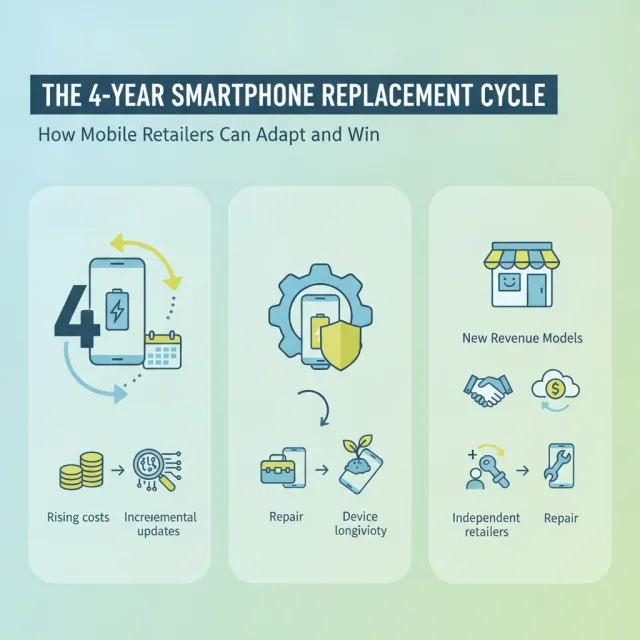
- Extended Device Lifespans: Customers are holding onto flagship devices for four to five years, expecting fast battery and screen swaps rather than being forced into early upgrades.
- Transparency Demands: As consumers become educated on repairability scores, they increasingly scrutinize whether a shop uses genuine original, calibrated used OEM, or aftermarket parts.
- Operating System Repair History: Operating systems now openly display repair history in device settings, detailing whether a component was replaced, whether it is genuine, and whether calibration was completed successfully. Shoddy workmanship or mismatched parts can no longer be hidden behind the chassis.
SOP: Sourcing and Managing Harvested Parts Safely
To capitalize on the used OEM parts trend without stranding technician time or damaging your shop’s reputation, your workshop needs a strict intake and parts allocation protocol. Implement this standard checklist across your service counters and teardown benches:
- Mandatory Account Sign-Out at Trade-In: Never accept a broken or trade-in handset intended for donor stock without verifying that iCloud, Google Account, or Samsung Account locks have been completely removed. If a customer brings in a phone with a ruined motherboard to sell for scrap parts, ensure they remove the device from their account via their cloud web portal before payout.
- Individual Component Labeling: When a technician dismantles an unlocked donor handset, never throw screens, cameras, and batteries into loose generic bins. Label each harvested module with an internal barcode or reference tying it back to the donor device's original IMEI.
- Pre-Assembly Calibration Staging: Before sealing water-resistant gaskets and applying permanent adhesive, boot the repaired handset into its native diagnostics or calibration environment to verify that all serialized components complete pairing cleanly.
- Tiered Customer Disclosures on Job Cards: Provide upfront options on your service intake intake forms: Aftermarket (budget tier), Used Genuine Calibrated (mid-to-high tier), or Brand-New OEM (premium tier). Explain clearly that the used genuine tier completes native OS calibration without error prompts while recycling high-grade original hardware.
Connecting Service Workflows with iFoxPro
Managing the fine line between repair tickets, serialized spare parts, and customer expectations requires robust software infrastructure. This is where iFoxPro fits naturally into your daily shop operations.
iFoxPro is cloud-based mobile phone shop management software built specifically to handle serialized hardware, serving over 1,000 phone stores, multi-branch operations, and repair centers worldwide. With its dedicated repair and service center module, shops can log detailed job cards, allocate individual spare parts directly to specific repair tickets, and track technician performance in real time.
Because iFoxPro tracks device histories by IMEI 1 and IMEI 2 from intake to billing, your team maintains full visibility over donor handsets, trade-ins, and customer repairs. Technicians can use the iFoxPro mobile app for Android and iOS with its built-in camera scanner to check stock and manage parts on the fly, while role-based permissions ensure branch technicians follow your intake guidelines.
Whether you run a single repair bench on the Starter plan ($29/month for 1 branch, up to 3 users) or manage multiple repair locations on the Business plan ($79/month for up to 5 branches, up to 15 users), iFoxPro keeps parts leakage under control. For large repair franchises, the custom-priced Enterprise plan offers unlimited branches, unlimited users, and API access. Every plan includes a 14-day free trial with no credit card required, backed by free setup and data migration help.
Conclusion
The smartphone repair industry is entering an era of unprecedented legitimacy. As regulators enforce longer parts lifecycles and manufacturers build on-device calibration frameworks, the independent repair shop is no longer fighting the operating system at every turn. However, this new ecosystem rewards operational discipline. Shops that master component-level intake verification, barcode their harvested inventory, and deliver transparent, calibrated repairs will build lasting consumer trust and capture the highest margins in the market.